

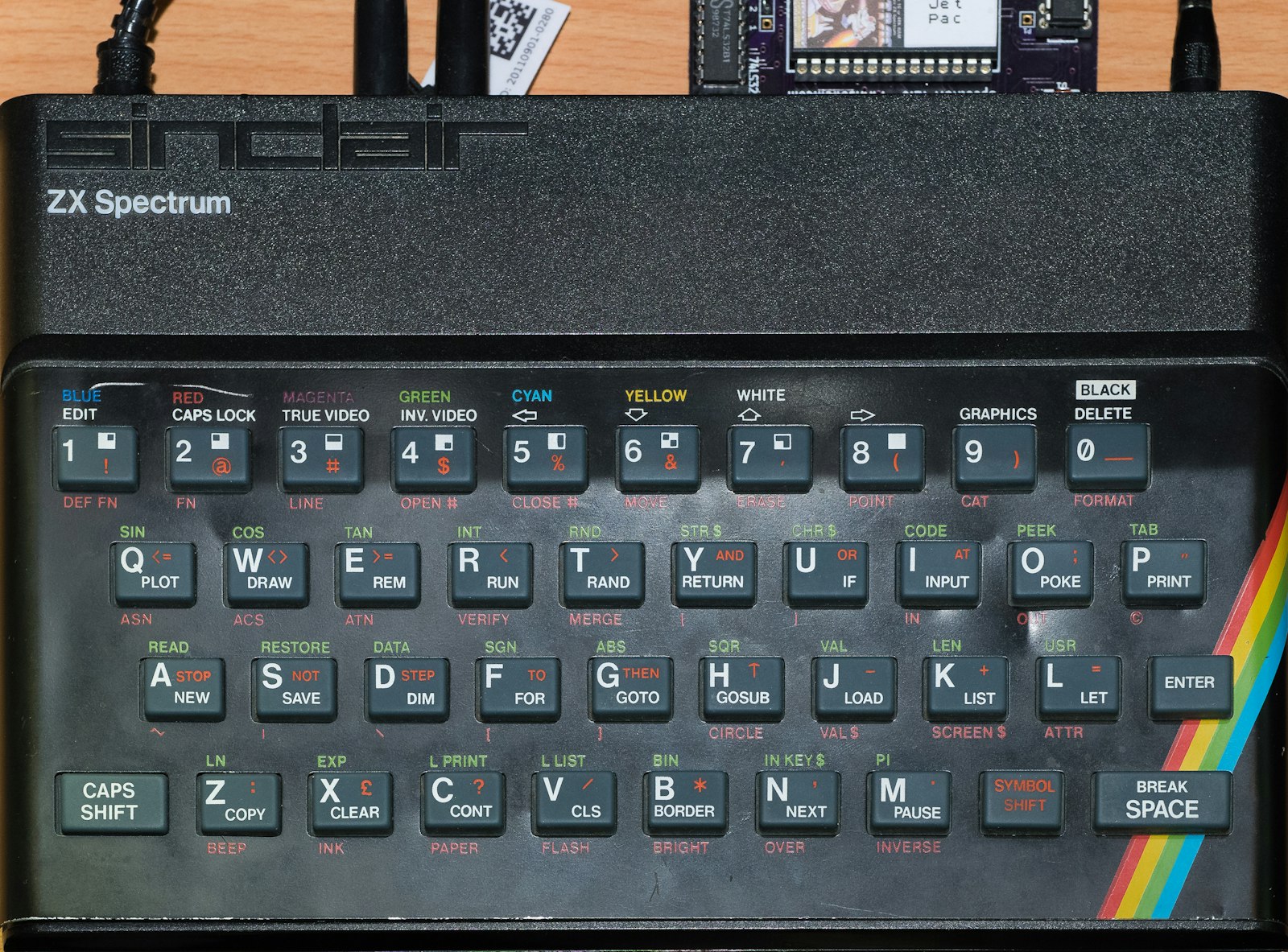
Moment 4 — Legacy System Modernisation
Roughly a third of your IT budget is going into keeping yesterday’s code alive — before you ship a single new feature. Legacy system modernisation used to sit in the maintenance column; in 2026 it gates every growth initiative, because AI, data and speed all depend on the stack underneath. Below: why the tech-debt tax keeps compounding, and a modernisation playbook that pays it down without a risky big-bang rewrite.
Mindlace helps companies in seven key moments. This post unpacks Moment 4 – Legacy System Modernisation: the point where an ambitious company decides to turn brittle, manual platforms into an integrated tech-stack that can actually power growth. See a summary of those seven moments here.
Why legacy pain is profit-eating pain
- Technical-debt drag. Protiviti’s 2023 technology executives survey found organisations sinking ≈ 30% of their entire IT budgets just into keeping yesterday’s code alive. (Innovation vs. tech debt | Proviti)
- Developer capacity black-hole. Stripe’s Developer Coefficient research found engineers spend 17 hours every week (~42% of the work-week) on maintenance and “bad code” remediation instead of shipping new value. (The developer coefficient | Stripe)
- Downtime domino-effect. A 2024 estimate put the cost of unplanned outages tied to ageing systems at ~USD 400 billion a year for the world economy—and the mid-market feels it first because SLAs are thinner. (Online downtime costs companies $400 billion per year)
- Breach exposure. IBM’s 2024 breach research put the average data-breach price-tag at USD 4.88 million, with legacy platforms called out as a top cost-multiplier. (What is a Data Breach? | IBM)
If you’re a 400-5,000-person firm turning over £50m – £1bn, those percentages map straight to your EBIT line.
The “hidden tax” legacy systems levy on mid-market leaders
- Margin squeeze: Your board sees flat EBITDA while OPEX on licences, integrations and firefights rises.
- Talent drain: Senior engineers leave when every release cycle starts with spelunking COBOL jobs.
- Innovation ceiling: New AI pilots stall because data lives in ten systems and three of them still run on-prem cron jobs. You’re in wide company: McKinsey’s November 2025 State of AI survey found two-thirds of organisations have still not scaled AI across the enterprise (The state of AI | McKinsey).
The result? Speedboats of innovation never leave the harbour because the mothership leaks.
A legacy modernisation playbook that actually lands
- Illuminate the sprawl in < 3 weeks. We run a code-base & data-flow MRI that scores every component on replace/refactor/retain.
- Wrap → Strangle → Replace. Stand up cloud-native micro-services that wrap key functions, siphon traffic and let you strangle legacy modules without a Big-Bang cut-over.
- Let AI become the new UX. NLP layers can front legacy data immediately (think claims-triage bots or contract-search copilots) so users feel the win before the core swap finishes.
- Automate the delivery engine. CI/CD pipelines and IaC mean every new service deploys in minutes—not quarters.
- Transfer & empower. Internal teams co-build with our squad, then take over the new stack alongside run-books and automated test suites.
Proof it works: Dopay 2.0
When Egyptian payroll-fintech Dopay had a six-month corporate-account onboarding cycle rooted in legacy partner tech, we:
- Re-architected the platform around virtual ledger micro-services.
- Brought KYC, compliance and onboarding in-house.
- Cut corporate customer onboarding from 6 months to same-day and unlocked real-time payroll across 16 countries.
How we engage
- Sprint-based Impact Pledge. Every two-week Sprint must ship user-visible impact or we waive the fee—risk stays with us, not you.
- 3-8-person hybrid squad. Architects, product, AI engineers and DevOps working as one embedded pod.
- Pathforger™ framework. A battle-tested choreography that has already modernised banking, prop-tech and digital-identity stacks on four continents.
Ready to retire the tech-debt tax?
The first step takes 30 minutes: book a chat with Mindlace and we’ll share the audit outline, map your highest-ROI legacy choke-points, and sketch a 90-day modernisation plan that frees budget, talent and roadmap space for everything you actually want to ship.